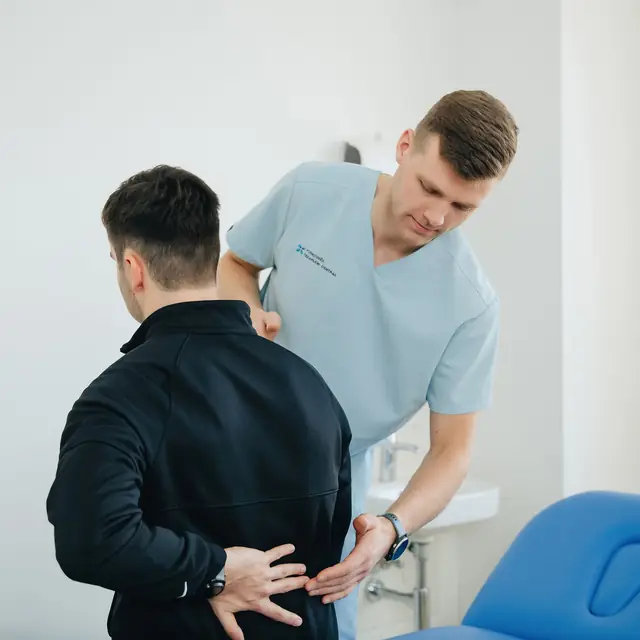
Acupuncture is one of the most requested treatments at Saanichton Chiropractic Group, and one of the most misunderstood. Some people expect it to hurt; others aren't sure whether it actually works or how it fits alongside chiropractic care. This guide covers what acupuncture is, what the research says it helps with, what a visit looks like, and how we combine it with chiropractic and massage therapy.
What Is Acupuncture?
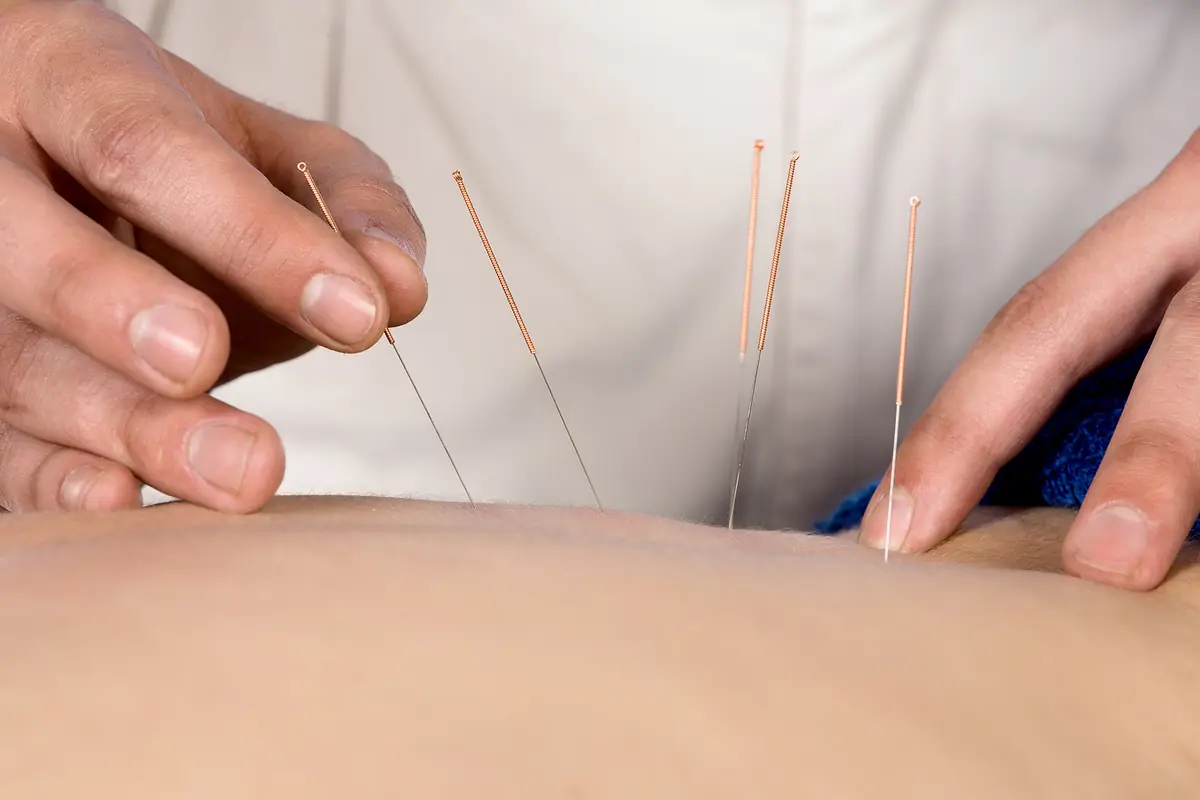
Acupuncture involves placing very fine, sterile, single-use needles at specific points on the body. It comes from Traditional Chinese Medicine (TCM), which describes these points as lying along channels, or meridians, that influence the flow of energy (qi). Modern research also shows that needling affects the nervous system: it can change how pain signals are processed, trigger the release of endorphins and other natural pain-relieving chemicals, and relax tight muscles.
Our registered acupuncturist is trained in TCM and use both traditional point selection and approaches focused on muscles, fascia and pain.
What Can Acupuncture Help With?
The strongest research support for acupuncture is in pain conditions. Clinical guidelines and large reviews support it for:
- Chronic low back pain and neck pain
- Tension-type headaches and the prevention of migraines
- Knee osteoarthritis and other joint pain
- Shoulder pain and muscle tension
Many people also use acupuncture for stress, sleep, digestive complaints, menstrual pain, menopausal symptoms, and support during fertility treatment. The evidence in these areas is more mixed, but many patients find it a helpful, low-risk part of their care. Your acupuncturist will be honest about what to expect for your situation.
Does Acupuncture Hurt?
Most people feel very little. Acupuncture needles are much thinner than the needles used for injections or blood tests. You may feel a brief pinch as the needle goes in, followed by a dull ache, warmth or heaviness around the point, which is normal. Many patients become so relaxed during treatment that they fall asleep.
What to Expect at Your Visit
- Health history and assessment: your acupuncturist asks about your symptoms, health history, sleep, stress and goals.
- Treatment: needles are placed and usually left in for 20 to 30 minutes while you rest. Sessions typically run 45 to 60 minutes.
- After treatment: most people feel relaxed. Mild soreness at a needle site or a small bruise can happen but settles quickly.
- How many sessions: many people notice a change within 3 to 6 sessions. Ongoing problems may need regular visits at first, then less often as things improve.
Chiropractic and Acupuncture: Why They Work Well Together
Chiropractic care and acupuncture approach pain from different angles, which is why they combine so well:
- Chiropractic care restores movement in stiff joints, treats muscles and soft tissues, and builds strength and better movement patterns through exercise.
- Acupuncture calms the nervous system, reduces pain and muscle guarding, and can help with sleep and stress that make pain worse.
For example, someone with a stiff, painful neck may find that acupuncture settles the pain and muscle spasm, making it easier to move and do their exercises, while chiropractic treatment restores joint movement. Because our chiropractors, acupuncturist and massage therapists work under one roof, they communicate directly and coordinate your care plan rather than treating you in isolation.
Is Acupuncture Covered by Insurance?
Many extended health plans include an acupuncture benefit, and we provide receipts you can submit to your plan. Some plans can be billed directly. See our guide to insurance coverage for chiropractic, massage and acupuncture or our direct billing and fees page for details.
Is Acupuncture Safe?
When performed by a registered acupuncturist using sterile, single-use needles, acupuncture is very safe. Serious side effects are rare. Let your acupuncturist know if you are pregnant, take blood thinners, have a bleeding disorder or have a pacemaker, so they can adjust your treatment.
Frequently Asked Questions
How quickly does acupuncture work?
Some people feel relief after the first session. For longer-standing problems, improvement usually builds over several sessions.
Can I have acupuncture and a chiropractic adjustment on the same day?
Yes. Many patients book them back to back, and the two treatments complement each other well.
What's the difference between acupuncture and dry needling?
Both use the same fine needles. Dry needling focuses on trigger points in muscles, while acupuncture includes muscle-focused needling as well as traditional points chosen for their wider effects. Our acupuncturist uses both approaches where appropriate.
What should I wear?
Loose, comfortable clothing that can be rolled up above the knees and elbows makes treatment easier.
Book Acupuncture in Saanichton
You can book acupuncture on its own or as part of a combined chiropractic and acupuncture plan. Learn more on our acupuncture page.
Dr. Mike Hadbavny, DC, FRCCSS(C), ICSC
If you are interested in learning more about how chiropractic care in Saanichton can be effective for your particular condition or health goals, contact Dr. Mike Hadbavny at 250 223 0200 today to make an appointment and discover the many benefits of seeing a chiropractor in Saanichton BC. Contact us today.