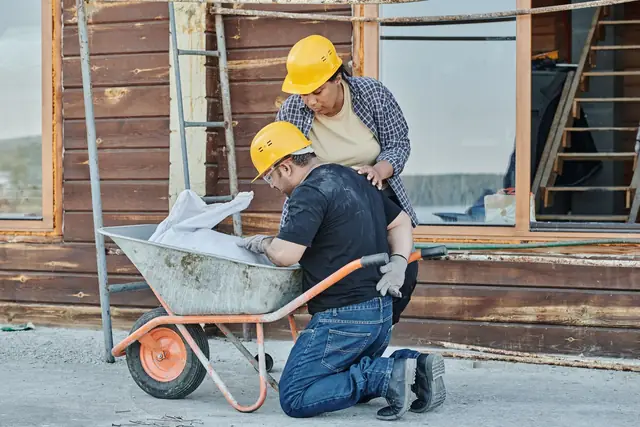
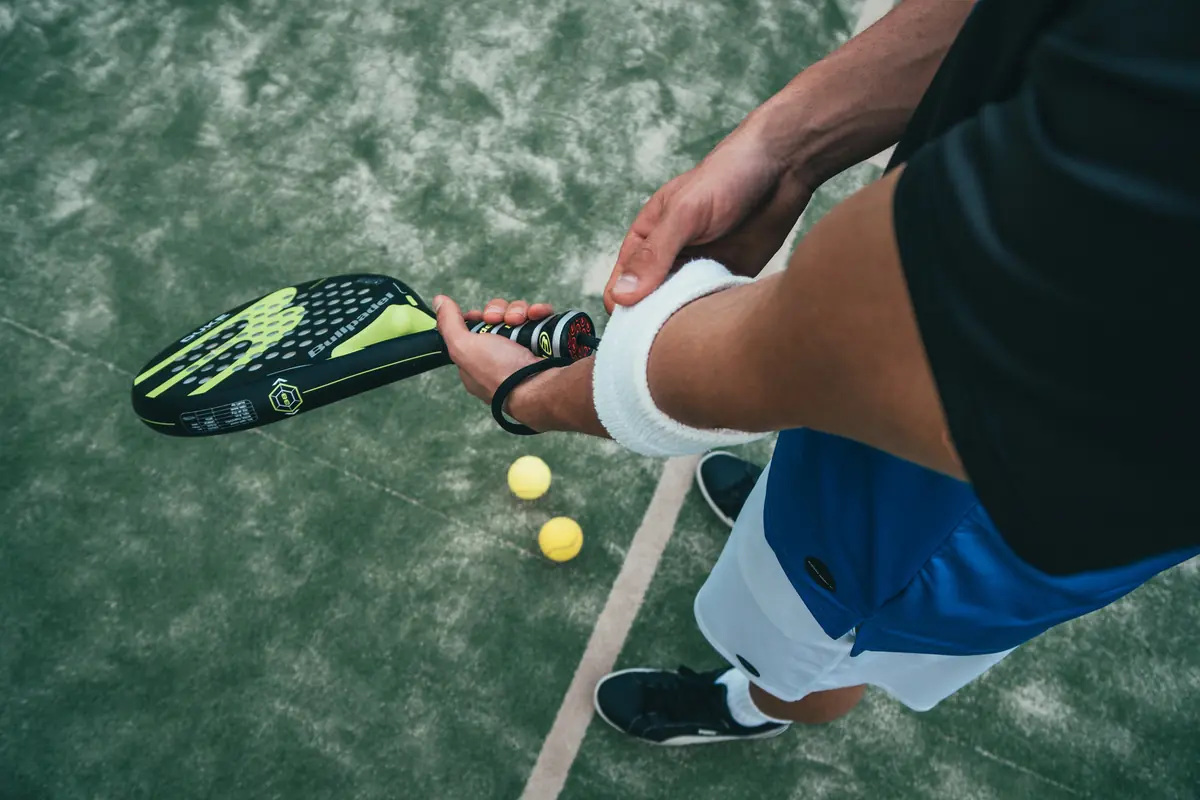
Tennis elbow causes pain on the outside of the elbow, usually from repeated gripping and wrist movements. Despite the name, most people who get it don't play tennis. We see it in office workers, tradespeople, gardeners, parents lifting car seats and anyone who has recently ramped up a gripping task. It can be stubborn, but it responds well to the right kind of treatment.
This guide explains what tennis elbow is, why it lingers, what actually helps it heal, and how we treat it at Saanichton Chiropractic Group.
Can a Chiropractor Fix Tennis Elbow?
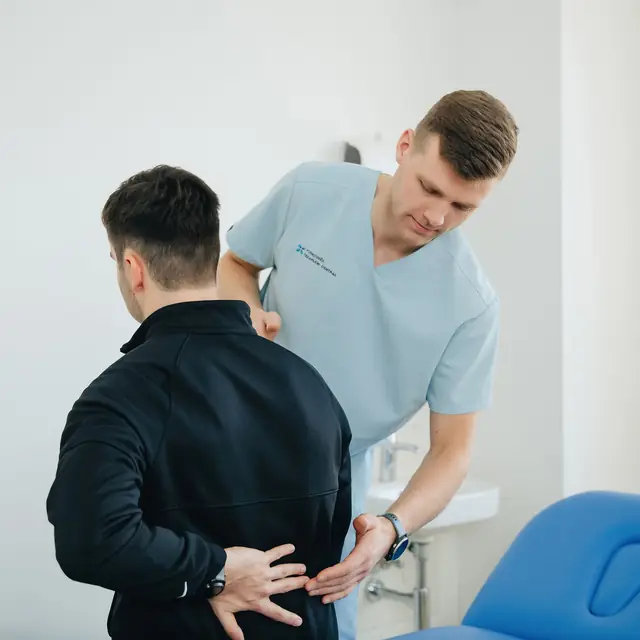
A chiropractor can help most people with tennis elbow recover, but not by "cracking" the elbow. Tennis elbow is a tendon problem, and tendons get better when they are loaded gradually and protected from the movements that aggravate them. A sports chiropractor helps by:
- Confirming the diagnosis. Outer elbow pain can also come from the neck, a pinched nerve or the elbow joint itself. A proper exam rules these out.
- Settling the pain. Soft tissue therapy, joint mobilization of the elbow, wrist and neck, taping or a counterforce brace, and, where appropriate, shockwave therapy or acupuncture.
- Building a progressive loading program, the part of treatment with the strongest research behind it.
- Changing what keeps irritating it, such as grip, tool size, keyboard and mouse setup, or lifting technique.
Most people notice meaningful improvement within 6 to 12 weeks of consistent rehab. Long-standing cases can take longer, which is why starting early helps.
What Is Tennis Elbow?
Tennis elbow (lateral epicondylalgia, often called lateral epicondylitis) affects the tendon that attaches your wrist extensor muscles to the bony bump on the outside of the elbow. The main tendon involved is the extensor carpi radialis brevis, which works every time you grip, lift with your palm down or extend your wrist.
Golfer's elbow is the same kind of problem on the inside of the elbow, affecting the tendons that flex the wrist. It is treated in much the same way.
It's a Tendinopathy, Not Just Inflammation
The "-itis" in epicondylitis suggests inflammation, but research shows that long-lasting tendon pain is mostly a problem of tendon overload. When a tendon is asked to do more than it is ready for, its structure changes: the collagen fibres become disorganized and the tendon becomes less able to handle load. This is called tendinopathy, and it can affect any tendon, including the Achilles, the patellar tendon below the kneecap and the rotator cuff in the shoulder.
This matters for treatment. Rest and anti-inflammatories may ease pain for a while, but they don't rebuild the tendon's capacity. Gradual, well-dosed loading does.
Common Causes
- Repetitive gripping and wrist extension: computer work, hand tools, painting, racquet sports, carrying heavy bags.
- A sudden increase in activity: a weekend of yard work, a new job or hobby, or more time on the court than usual.
- Poor equipment fit: tools or racquet grips that are too small or too large.
- Age: it is most common between about 35 and 55, as tendons become less resilient.
Symptoms
- Pain on the outside of the elbow, sometimes spreading down the forearm.
- Pain with gripping, such as shaking hands, lifting a kettle or coffee cup, or turning a doorknob.
- Weak grip and dropping things.
- Morning stiffness or pain after a day of repetitive tasks.
How We Assess Elbow Pain
Your assessment looks at the elbow and everything that loads it. We check where it hurts, test grip strength and the muscles that extend the wrist, and screen the neck, nerves and shoulder, since problems there can mimic or contribute to elbow pain. Imaging is rarely needed. An ultrasound or X-ray may be useful if symptoms are unusual or not improving after a few months of good rehab.
Treatment That Works
1. Load Management
The first step is reducing the aggravating load without stopping all activity. That might mean changing how you lift (palm up instead of palm down), using a larger grip on tools, adjusting your workstation or taking short breaks from repetitive tasks. A counterforce strap worn just below the elbow can reduce pain during activity for some people.
2. Progressive Strengthening
Exercise is the core of tennis elbow treatment. A typical progression looks like this:
- Isometrics: holding the wrist in an extended position against light resistance for 30 to 45 seconds. These can reduce pain in the early stage.
- Slow wrist extensions: lifting and lowering a light dumbbell with the palm down, focusing on a slow lowering phase. Eccentric (lowering) work has good evidence for tendinopathy.
- Grip and forearm rotation: squeezing a soft ball, and turning a light hammer or flexible bar to build strength through the whole forearm.
- Return to task: gradually reintroducing the work, sport or hobby movements that caused the problem, with heavier loads.
Some discomfort during exercise is fine as long as it settles within 24 hours. We set the starting level and adjust it as you progress.
3. Hands-On Care
Soft tissue therapy for the forearm muscles, mobilization of the elbow and wrist, and treatment of the neck and upper back when they contribute can all reduce pain and make it easier to do your exercises. These treatments work best alongside a loading program rather than instead of one.
4. Shockwave Therapy and Acupuncture
For tennis elbow that has lasted longer than a few months, shockwave therapy can help reduce pain and stimulate tendon repair. Acupuncture and massage therapy are also useful for pain relief and muscle tension. Our athletic therapist can guide the later return-to-sport and return-to-work stages.
What About Injections?
Cortisone injections can reduce pain quickly, but research has found that people who receive them often do worse over the following year than those who don't, with higher rates of recurrence. Platelet-rich plasma (PRP) injections have mixed evidence. Surgery is rarely needed and is usually reserved for cases that haven't improved after 6 to 12 months of good conservative care.
Preventing Tennis Elbow From Coming Back
- Build up gradually when you start a new job, sport or project.
- Keep your forearms strong with a few minutes of wrist and grip exercises a couple of times a week.
- Check your setup: grip size on tools and racquets, mouse and keyboard position, and lifting with the palm facing up when you can.
- Take short breaks from repetitive gripping tasks.
Frequently Asked Questions
How long does tennis elbow last?
Without treatment, tennis elbow often lasts 6 months to 2 years. With a good rehab program, most people improve significantly within 6 to 12 weeks.
Should I rest tennis elbow completely?
No. Complete rest weakens the tendon further. It's better to reduce the movements that aggravate it while keeping the tendon active with the right exercises.
Does a tennis elbow brace help?
A counterforce strap can reduce pain during activity for some people. It's a short-term aid that works best alongside strengthening.
Can tennis elbow come from the neck?
Sometimes. Irritation of a nerve in the neck can cause pain on the outside of the elbow or make true tennis elbow harder to settle. We check the neck as part of every elbow assessment.
Is tennis elbow the same as tendonitis?
They're often used interchangeably, but long-lasting tennis elbow is better described as tendinopathy, a problem of tendon overload rather than simple inflammation. That's why strengthening works better than rest and anti-inflammatories alone.
Book an Elbow Assessment
If elbow pain is affecting your work, sport or daily life, book online or call Saanichton Chiropractic Group at 250 223 0200. If your shoulder is also involved, see our guide to shoulder impingement exercises, and learn more about our sports injury care.
-----------------------------
Dr. Mike Hadbavny
Saanichton Sports Chiropractor, FRCCSS(C), ICSC
If you are interested in learning more about how chiropractic care in Saanichton can be effective for your particular condition or health goals, contact Dr. Mike Hadbavny at 250 223 0200 today to make an appointment and discover the many benefits of seeing a chiropractor in Saanichton BC. Contact us today.